SMS reminders for dental practices: a practical guide
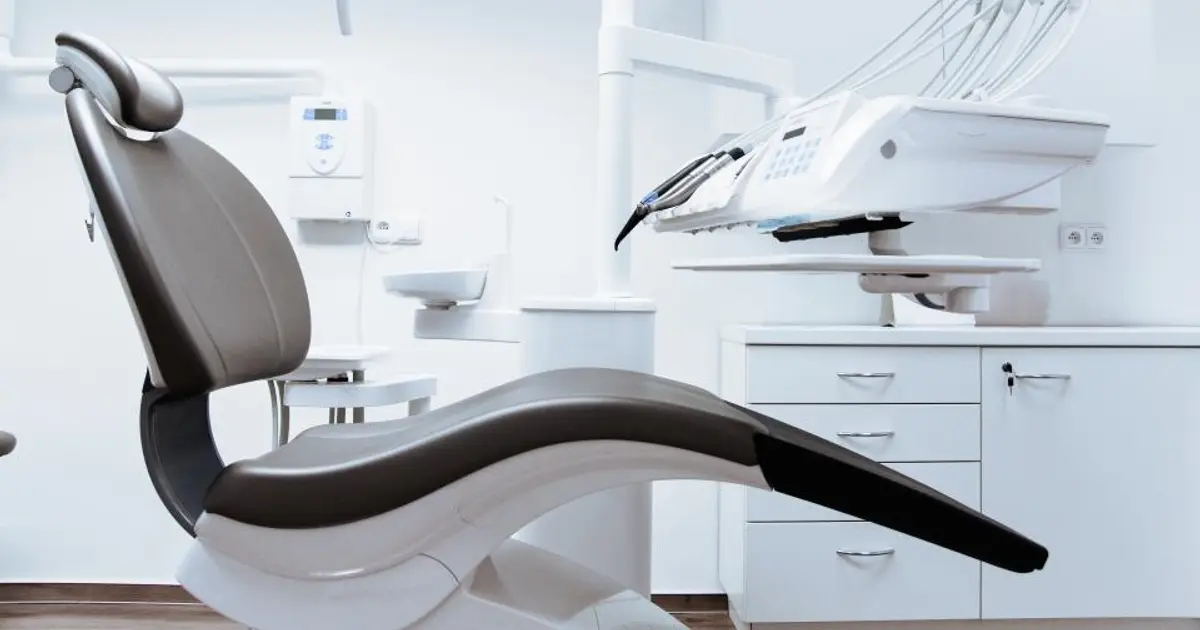
A dental practice loses money in two directions when a patient does not show. The chair sits empty during a booked slot, and the recall that should have happened never gets rebooked. Both are avoidable with a reminder system that fits the way dental appointments actually work: booked weeks ahead, often for longer procedures, and tied to a recall cycle that runs for years.
This is a practical guide to using SMS reminders in a dental practice, from the standard day-before message to the six-month recall, with the consent rules that apply in Australia.
The reminder schedule that fits dental bookings
Dental appointments are usually booked further ahead than a haircut and are worth more when missed, so the reminder runway is longer. A pattern that works for most practices:
- Confirmation at booking. When the appointment is made, send a short confirmation with the date and time. This catches booking errors immediately, while the patient is still thinking about it.
- First reminder 3 days out for standard appointments, or 5 to 7 days out for longer procedures such as a crown fit or an extraction where the chair is blocked for an hour or more. This is the message that lets you refill a valuable slot if the patient cannot make it.
- Second reminder the day before, asking for a confirm or cancel reply.
Hi Priya, reminder of your appointment with Dr Nguyen on Wed 8 October at 11:00am at Parkside Dental. Please reply Y to confirm or C if you need to change it. Thanks.
For procedures with preparation, put the instruction in the reminder itself rather than assuming the patient remembers what was said at the front desk weeks ago.
Hi Tom, your extraction with Dr Lee is tomorrow, Thu 9 Oct at 2:30pm. Please eat beforehand and arrange a lift home if you are having sedation. Reply Y to confirm. Parkside Dental.
Why the reminder should ask for a reply
A confirm-or-cancel reply turns your appointment book into a live picture of the day. Patients who confirm are locked in. Patients who go quiet are your call list for the afternoon before. The value is not the confirmations, it is knowing which appointments are shaky in time to do something about them.
The problem in a busy practice is that replies arrive while reception is dealing with patients in the chair. On a dedicated Australian number, SMS365 keeps each reminder and reply as one thread, and the AI assistant can handle the routine ones. A patient who texts "can I come Friday instead?" can be offered times and moved without a staff member breaking off from the front desk. A patient who replies with a question about a fee can be looked up and answered. The wider case for that two-way channel is in letting AI answer customer texts.
Recalls are where SMS pays for itself
The single most valuable use of SMS in dentistry is the recall. A patient due for a six-month check is easy to lose. They are not in pain, nothing is prompting them, and a letter goes in the bin. A text lands on the phone in their pocket.
Because the recall cycle is predictable, it suits an automated reminder that counts down to the due date. When the six months is up, the patient gets a message inviting them to book.
Hi Sarah, you are due for your six-month check-up and clean at Parkside Dental. Reply BOOK and I will find you a time, or call us on 02 9555 1234. It has been a while, we would love to see you.
A patient who replies BOOK can be offered times straight away by the assistant. That is a recall converted into a booking without a staff member working through a spreadsheet of overdue patients and making calls that mostly go to voicemail.
No-shows still happen, so plan the recovery
Even with good reminders, some patients will miss. Have a same-day recovery message ready that offers two specific times rather than asking them to call back. The economics in dental are stark because the appointments are valuable, so recovering even half of your no-shows is significant. We covered the full approach in rebooking a missed appointment by text.
Consent and opt-out, the rules that apply
SMS to patients is covered by the Spam Act 2003. Appointment reminders to your own patients are generally fine because they are factual messages about a service the patient has engaged you for, and consent is reasonably implied by the booking relationship. Recall reminders sit in the same territory as long as they are about the patient's own care and not dressed up as marketing.
The moment you cross into promotion, a whitening special, a cosmetic offer, the rules tighten and you need clearer consent and a working opt-out. Two things keep you safe:
- Honour STOP. Any patient who replies STOP should be removed from further messages, with the opt-out recorded. SMS365 handles STOP and START automatically and keeps the consent record, so an opt-out actually takes effect rather than sitting in an inbox nobody checks.
- Keep clinical reminders separate from marketing. A patient who opts out of your specials should still get their appointment reminders, because those are a different category of message. Keeping the two streams distinct protects both.
If you want the detail on where the line sits, our explainer on the Spam Act 2003 for SMS is written for small businesses rather than lawyers.
Putting it together
A dental practice running SMS well looks like this: a confirmation at booking, a reminder a few days out for anything valuable, a confirm-or-cancel message the day before, a same-day recovery text for the misses, and an automated recall when the six months is up. Replies are handled on a dedicated Australian number so reception is not tied to the phone, and every message respects a working opt-out.
None of this is complicated to set up, and the return is easy to see. Fewer empty chairs, more recalls converted, and a front desk that spends its time on patients in the building rather than chasing the ones who are not. Start with the day-before reminder, get the recall flow running, and build from there.
Put this to work with SMS365
Two-way SMS, reminders, an AI assistant that books jobs and chases invoices, and Spam Act compliance built in. Prepaid, no lock-in, Australian-run.
See plans Explore use cases